Thinking about buying in Anaheim Hills but not sure if an HOA community or a no-HOA street fits you best? You are not alone. The hills, private roads, and mix of master-planned tracts and older pockets make this choice feel big. In a few minutes, you will understand the lifestyle tradeoffs, cost drivers, wildfire and insurance considerations, and the exact documents to review before you write an offer. Let’s dive in.
HOA vs no-HOA basics
Anaheim Hills has both. Newer planned communities often have HOAs with shared amenities and private streets. Older tracts and homes on larger lots are more likely to be no-HOA.
The core tradeoff is simple. HOAs deliver predictability, shared maintenance, and amenities in exchange for dues and rules. No-HOA living offers autonomy and no dues, but you carry full responsibility for your property and any shared private features.
HOA amenities and services
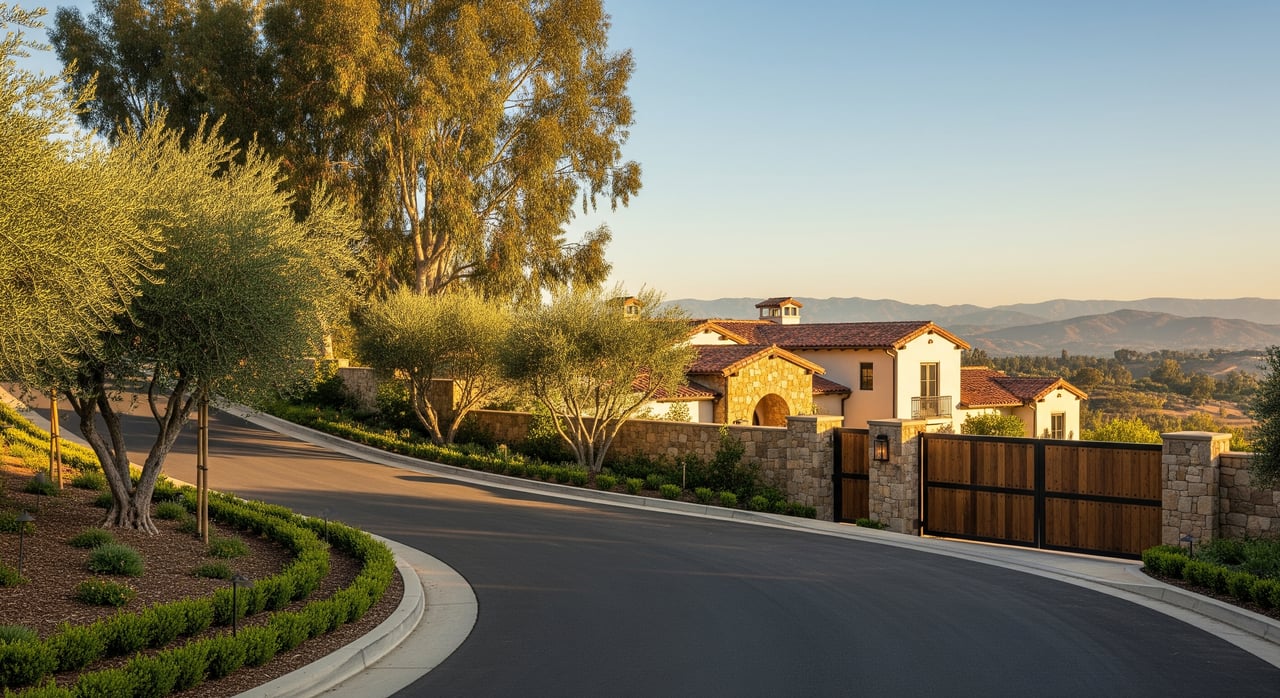
In HOA neighborhoods, you may find pools, parks, clubhouses, security gates, landscaped slopes, and private roads. The level of service drives the dues. A community with gates, tennis courts, and large common areas will typically cost more than a simple neighborhood with limited common space.
In no-HOA areas, there is no association maintaining shared amenities. If a street or driveway is private, neighbors may manage it through agreements. Everything else is up to you and the city.
Architectural controls and appearance
HOAs use CC&Rs and design guidelines to keep a consistent look. Expect rules for paint colors, fencing, landscaping, visible storage, and sometimes where you can park RVs or boats. There are approval steps for exterior changes. State law protects certain upgrades, like solar, but you still follow a process.
In no-HOA pockets, city codes apply but there is no private design committee. You get more freedom for exterior choices. The flip side is less uniform curb appeal on the street.
Maintenance, insurance, and local risk
HOAs handle common-area upkeep and insure common property. You still need your own homeowner policy for your house and contents. Ask for the association’s insurance certificates to see coverage and deductibles.
In no-HOA areas, you handle all maintenance on your lot and any private access points. There are no dues, but costs are directly yours.
Wildfire is a real consideration in Anaheim Hills because of terrain and open space. Review local fire maps and plan for defensible space. Check insurance availability early, since coverage and premiums can vary by micro-area. Explore CAL FIRE’s Fire Hazard Severity Zones and Orange County Fire Authority resources to understand local risk and preparedness.
- Explore statewide hazard mapping through the CAL FIRE Fire Hazard Severity Zones page.
- Review local guidance from the Orange County Fire Authority.
Monthly costs and Mello-Roos
Your carrying costs can include more than a mortgage and utilities. If a property is in an HOA, you will have dues that may be billed monthly or quarterly. In Southern California, single-family HOA dues range widely from low double digits per month to several hundreds per month depending on amenities and services. Always confirm the actual budget and fee schedule.
Newer developments in Orange County may also carry Mello-Roos special taxes that appear on your property tax bill. These are separate from HOA dues. To verify, review the property tax bill and consult the Orange County Treasurer-Tax Collector.
Governance and rules that matter
California HOAs operate under the Davis-Stirling Common Interest Development Act, which governs budgets, reserves, meetings, disclosures, and enforcement. A well-run board with strong reserves can be an asset. A poorly run association can mean friction and surprise costs. If you are evaluating an HOA property, review the governing documents, meeting minutes, and reserve studies before you commit.
- Read the Davis-Stirling Common Interest Development Act on California Legislative Information.
Resale and value in Anaheim Hills
A clean, well-maintained HOA with attractive amenities can help resale appeal for buyers who want low-maintenance living. High dues, restrictive rules, or weak finances can narrow the buyer pool.
No-HOA homes appeal to buyers who want autonomy and lower recurring fees. Streets without consistent upkeep can create mixed curb appeal that may affect value if nearby homes are not maintained.
The key is micro-market alignment. Your home will be compared to similar nearby sales. An HOA home with a pool and gates should be compared to other HOA communities with similar features. A no-HOA property needs comps from similar non-HOA pockets nearby.
Which fit matches your lifestyle
You may prefer an HOA if you want:
- Shared amenities like pools, parks, or gates.
- Consistent curb appeal and design standards.
- Services that reduce your weekend maintenance list.
You may prefer no-HOA if you want:
- More flexibility for exterior changes and additions.
- No monthly HOA dues.
- Freedom to manage your property and improvements on your terms.
Due diligence checklist before you offer
For HOA properties
- Current budget, latest financial statements, and reserve study with balance.
- CC&Rs, bylaws, rules, and architectural guidelines.
- Meeting minutes for the last 12 to 24 months.
- Master insurance certificates with coverage limits and deductibles.
- History of special assessments and any proposed projects.
- Delinquency rate and any pending litigation.
- Fee amount, billing schedule, transfer or move-in fees, and who maintains private roads and gates.
For broader HOA education, see the Community Associations Institute.
For all Anaheim Hills buyers
- Property tax bill to check for Mello-Roos or other special districts via the Orange County Treasurer-Tax Collector.
- Insurance quotes early, especially in higher fire-risk pockets.
- Local wildfire maps, evacuation routes, and any HOA fuel-reduction programs through the Orange County Fire Authority and CAL FIRE.
- Clarify responsibilities for any private streets, lighting, or slope landscaping.
- Confirm any rental, parking, pet, solar, or EV rules that matter to you.
How to spot HOA vs no-HOA locally
- Listing details often note HOA dues and amenities. If missing, ask the listing agent directly.
- Look for gates, a clubhouse, or signed community rules that suggest an HOA.
- Older streets with varied home styles and no common areas are more likely no-HOA.
- Confirm via the preliminary title report or seller disclosures during escrow.
What drives dues up or down
- Amenities: pools, courts, gates, and private roads increase operating costs.
- Landscaping and slope maintenance: hillsides and fuel management add expense.
- Reserves: healthy reserves reduce the need for large special assessments.
- Professional management: adds cost but can improve operations and consistency.
Private roads and steep lots
Some Anaheim Hills communities maintain private roads through the HOA. Repaving and slope stabilization are big-ticket items. Ask about upcoming road projects and reserve funding. In no-HOA areas with private access, neighbors may share costs by agreement. Understand your obligations before closing.
Smart next steps
The best choice is the one that aligns with your day-to-day life and long-term budget. If you love the idea of a gate, a pool, and a consistent streetscape, a well-run HOA may be right. If you prefer flexibility and no dues, explore no-HOA pockets that match your style and maintenance comfort.
If you want help comparing HOA and no-HOA options, reviewing documents, and pulling the right comps, reach out to Carolyn Becker. Get personalized guidance on Anaheim Hills micro-neighborhoods and a calm, organized process from search to closing.
FAQs
What is the Davis-Stirling Act and why does it matter?
- It is California’s law governing HOA operations and disclosures. It sets rules for budgets, reserves, meetings, and enforcement that affect your rights and costs in an HOA.
How do I check for Mello-Roos taxes in Anaheim Hills?
- Review the property tax bill and confirm with the Orange County Treasurer-Tax Collector. Mello-Roos taxes are separate from HOA dues and impact your monthly carrying cost.
How do wildfire risks affect buying in Anaheim Hills?
- Wildfire exposure can influence insurance availability and premiums. Review OCFA and CAL FIRE maps, confirm defensible space requirements, and get quotes early.
What are typical HOA dues for single-family homes?
- Dues vary widely based on amenities and services, from low double digits per month to several hundreds per month in Southern California. Always verify the actual budget and fee schedule for the specific community.
Can an HOA restrict solar panels or EV chargers?
- HOAs have design rules, but state law limits unreasonable restrictions. You still follow an approval process, so review the architectural guidelines before you buy.
Do HOAs help or hurt resale value in Anaheim Hills?
- Well-run HOAs with attractive amenities can support value, while high dues or weak finances can reduce buyer interest. Resale depends on local comps and the association’s health.
How can I confirm if a street is private or public?
- Check the preliminary title report, seller disclosures, and City of Anaheim planning resources. Ask who maintains the road and whether costs are in the HOA budget or a separate agreement.
Resources mentioned:
- Davis-Stirling Common Interest Development Act on California Legislative Information
- CAL FIRE Fire Hazard Severity Zones
- Orange County Fire Authority
- City of Anaheim Planning Services
- Orange County Treasurer-Tax Collector
- Community Associations Institute