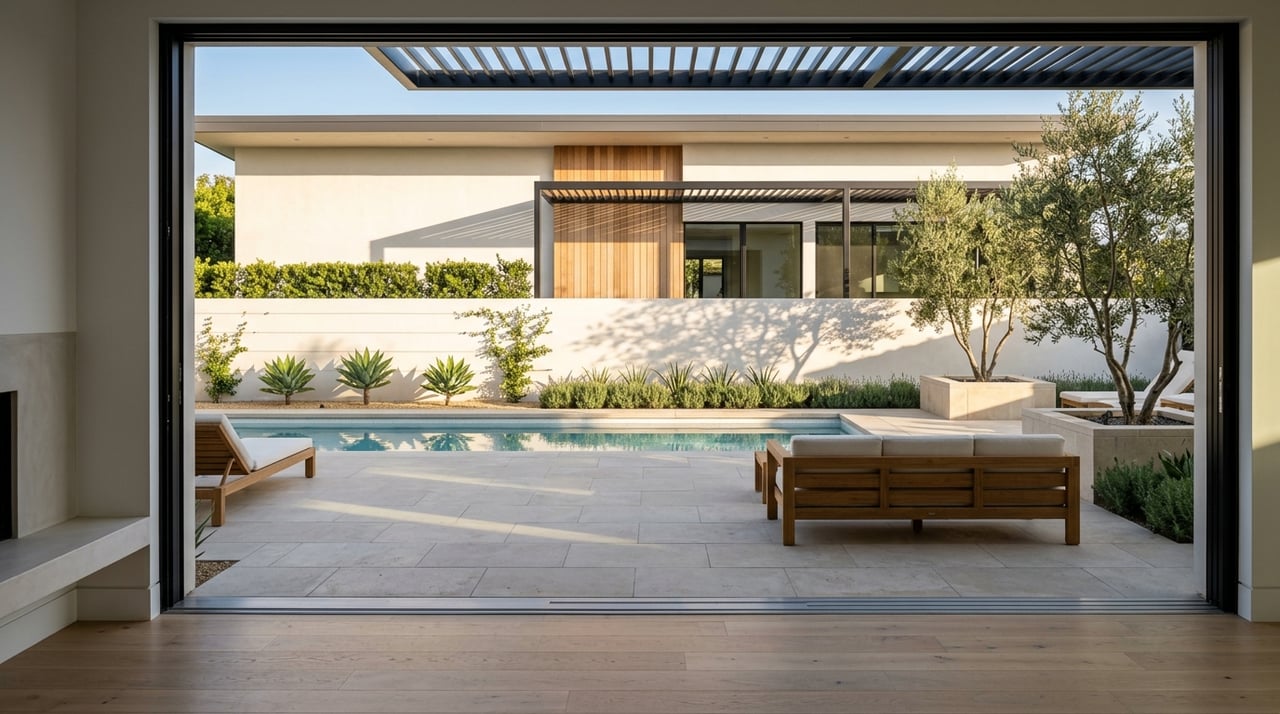
If your backyard feels underused for most of the year, you are not alone. In Villa Park, where single-family homes and generous lots shape daily life, the outdoor space is often just as important as the rooms inside. The good news is that with the right design choices, you can create a backyard that feels comfortable, functional, and attractive now while also supporting future resale appeal. Let’s dive in.
Why indoor-outdoor living fits Villa Park
Villa Park is a unique Orange County market because it is almost entirely made up of single-family homes. According to the city’s official history, the community covers about 2.1 square miles, has about 6,000 residents, and includes roughly 2,050 homes, most on half-acre lots. That kind of lot pattern gives many homeowners room to think beyond a basic patio.
The city is also described as nearly 99% built out, which means many projects are updates to existing yards rather than major additions. In practical terms, that makes smart remodeling especially important. You are often working to improve flow, comfort, and style within the footprint you already have.
Villa Park’s climate also supports outdoor living for much of the year. NOAA climate normals for nearby Anaheim show an annual mean temperature of 67.7°F and annual precipitation of 13.52 inches, with warm summer highs and very little summer rainfall. That makes shade, airflow, and water-wise landscaping especially relevant when you design an outdoor space here.
Start with the connection to the house
The best indoor-outdoor living spaces do not begin in the yard. They begin at the point where your home opens to the outside. If your kitchen, family room, or dining area already faces the backyard, that transition is often the most valuable place to invest first.
A covered patio or pergola can make that connection feel intentional. In Villa Park’s hot, dry summers, shade structures help soften afternoon sun and make the space usable longer during the day. They also create a visual bridge so your backyard feels like a true extension of the home instead of a separate zone.
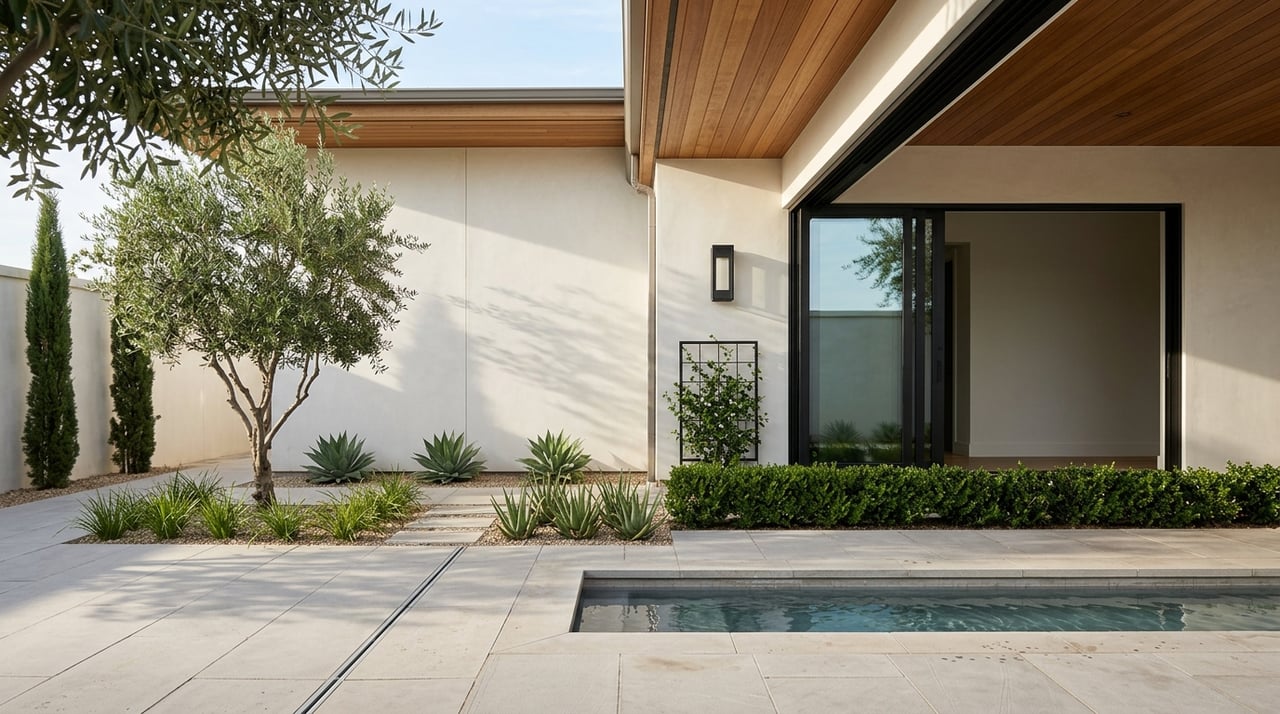
When possible, keep materials and colors cohesive between the interior and exterior. Matching tones, durable surfaces, and clean sightlines can make the entire property feel larger and more polished. For sellers, that kind of continuity often photographs well and helps a home feel move-in ready.
Focus on shade and comfort
In Villa Park, summer heat should shape your design from the start. July and August bring the highest average daily temperatures in the nearby climate data, so comfort features matter. A beautiful yard that feels too hot to enjoy will not deliver the lifestyle most homeowners want.
Think first about layered shade. This could include a solid patio cover near the house, a pergola over a dining area, and umbrellas or trees placed to reduce direct late-day sun. The goal is to make the yard usable at different times of day without relying on a single solution.
Airflow matters too. Open-sided structures, thoughtful furniture placement, and uncluttered walkways can help outdoor spaces feel lighter and cooler. In a market like Villa Park, comfort usually comes from simple, well-planned features rather than overly complicated design.
Create zones that work every day
One of the most effective ways to design indoor-outdoor living is to divide the yard into flexible zones. On larger Villa Park lots, this is often easier to do than in denser Orange County neighborhoods. You may have enough room for dining, lounging, planting, and recreation without making the yard feel crowded.
A practical layout usually starts with a dining or gathering area close to the house. Farther out, you might add a quieter seating area, a poolside lounge space, raised garden beds, or open lawn for general use. Clear paths between these areas help the yard feel organized and easy to navigate.
Flexible design tends to age better than highly specialized features. Durable finishes, integrated lighting, and surfaces that are easy to clean are often smarter long-term choices. They support day-to-day use, seasonal entertaining, and future resale without locking you into a narrow lifestyle.
Consider pools, spas, and garden spaces
Pools and spas can be a natural fit in Villa Park because many properties have enough yard depth to support them. When they work best, they are part of a complete plan rather than a standalone feature. Seating, shade, and planting around the pool area help it feel more inviting and more connected to the rest of the property.
If a pool is not the right fit for your goals, garden rooms and raised beds can still create strong indoor-outdoor appeal. On larger lots, you may be able to separate entertaining space from planting areas, which can make the yard feel layered and purposeful. Small orchards or edible gardens can also work well when they are planned for easy maintenance.
The key is balance. You want the yard to feel finished, but not overloaded. In many cases, a thoughtful combination of seating, shade, hardscape, and planting creates more lasting value than adding too many competing features.
Choose water-wise landscaping
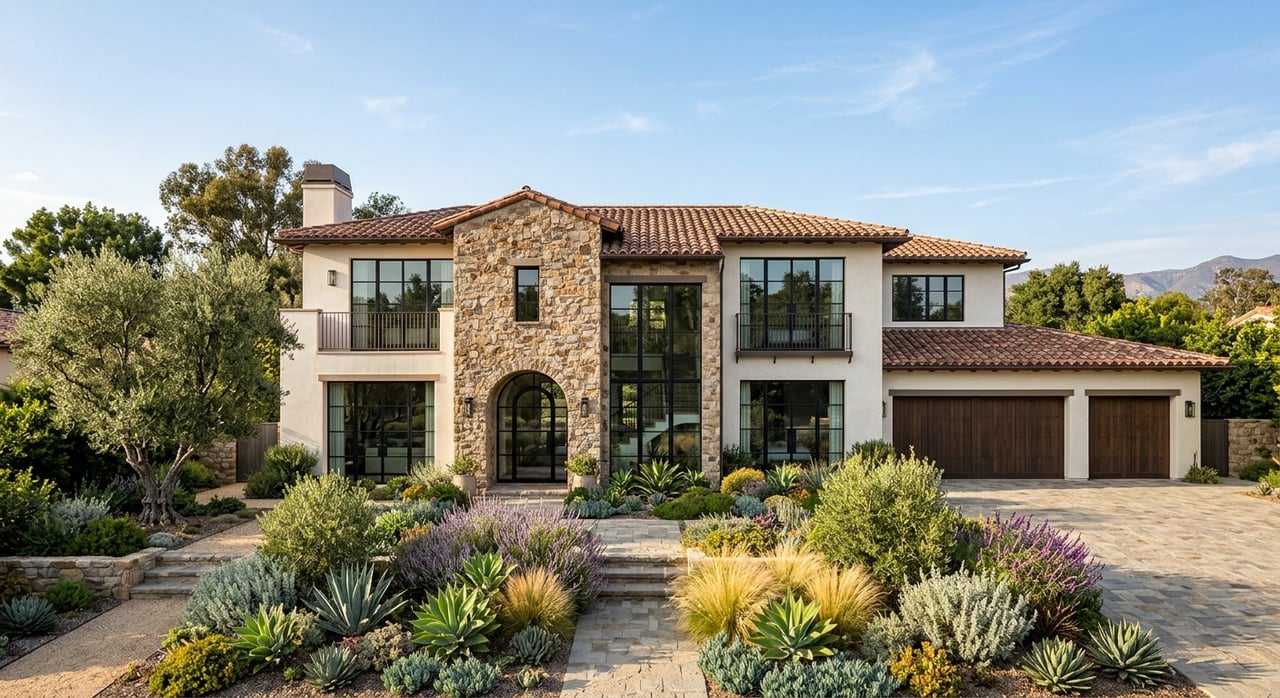
A lush-looking yard in Villa Park does not have to depend on a large, thirsty lawn. Since the local climate is warm and dry, many homeowners are rethinking how they use turf and irrigation. Smaller lawn areas, drip irrigation, and climate-appropriate planting can keep the property attractive while lowering outdoor water demands.
MWDOC says its Turf Replacement Program can reduce outdoor water use by 50% to 70%. The program also offers rebates starting at $2 per square foot of turf removed, along with tree rebates and free landscape design assistance that includes drought-tolerant plant suggestions and an irrigation map. For homeowners planning a redesign, those incentives may help stretch the budget.
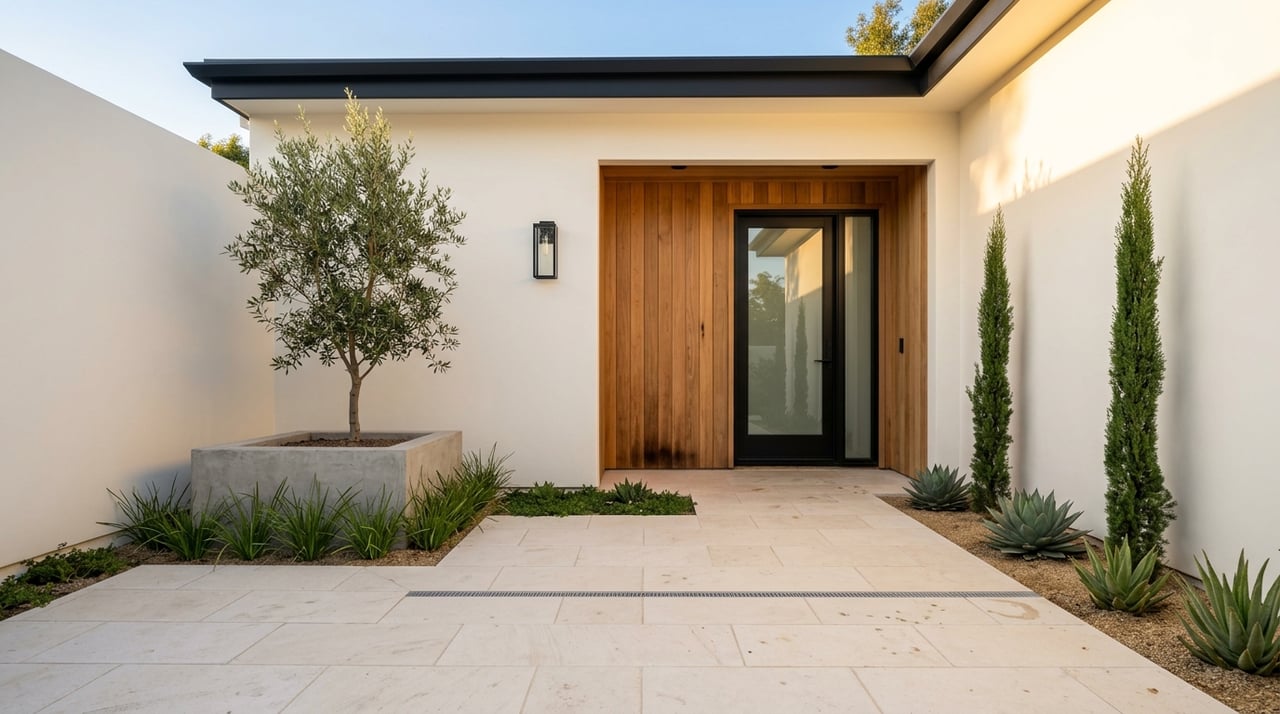
Water-wise does not have to mean sparse or stark. Layered planting, varied textures, and well-defined hardscape can create a finished Southern California look with less maintenance. In a resale context, that can appeal to buyers who want beauty without taking on a high-upkeep yard.
Plan for permits early
Before you finalize plans, it is smart to check project requirements with the City of Villa Park. The city says permits are required for patio covers, enclosures and decks, recreational and sports courts, pools and spas, retaining walls supporting a surcharge, block walls over 6 feet, accessory structures, and several other project types. Fence or wall plans at 6 feet or less need minor site plan approval, while taller walls go through regular site plan review.
Construction timing matters too. Villa Park states that construction is not allowed on Sundays or federal holidays. The Building Department also notes that applications submitted on or after January 1, 2026 are subject to the updated 2025 Building Code, and inspections are part of the approval process.
For homeowners, the practical takeaway is simple. Confirm permit status, drainage, and grading early, before you commit to hardscape or pool design. That can help you avoid expensive changes later and keep the project moving more smoothly.
Factor in wildfire readiness
If your property is near brush or open space, wildfire readiness should be part of the design conversation. The City of Villa Park has a 2025 fire hazard severity zone map, and CAL FIRE emphasizes defensible space and home hardening as core parts of wildfire preparedness. That guidance includes an ember-resistant first five feet around the home and limiting combustible vegetation and materials within required defensible-space zones.
For design, that often means using clean edges near the house, choosing lower-fuel planting, and being careful about where fire features or combustible materials are placed. These decisions can still support an attractive yard. They just need to be planned with safety in mind.
This is another reason cohesive design matters. A well-planned landscape can look refined while also being easier to maintain and more responsive to local conditions.
Think about resale from the start
If you may sell in the next few years, indoor-outdoor improvements should support both lifestyle and presentation. The 2025 Remodeling Impact Report: Outdoor Features found that 92% of REALTORS® suggest sellers improve curb appeal before listing, 97% say curb appeal is important in attracting a buyer, and 98% say it is important to buyers. The same report notes that homeowners often enjoy their homes more after outdoor projects, with a typical Joy Score of 9.7.
That does not mean every project will return the same value. The report also notes that cost recovery varies by project, design, materials, location, and property condition. In Villa Park, the most resale-friendly upgrades are often the ones that improve daily function and make the outdoor space feel complete.
If you are weighing where to spend, these features often make sense first:
- Shaded seating near the house
- Cohesive hardscape and walkways
- Efficient irrigation
- Outdoor lighting for comfort and visibility
- Planting that looks good with modest maintenance
For many sellers, the goal is not to create the most elaborate yard on the block. It is to create an outdoor space that feels easy to enjoy, visually coherent, and ready for the next owner.
A smart Villa Park approach
In Villa Park, indoor-outdoor living is less about chasing trends and more about making the most of a valuable part of the property. Large lots, warm weather, and established single-family homes create real opportunities to improve how you live and how your home presents in the market. The best projects usually combine comfort, local practicality, and long-term appeal.
If you are thinking about updates before selling, or you want to buy a home with the right layout for future outdoor improvements, local guidance can make a big difference. Carolyn Becker offers calm, informed support for Villa Park homeowners who want to make smart real estate decisions with confidence.
FAQs
What indoor-outdoor features work best for Villa Park homes?
- Features that match Villa Park’s warm, dry climate often work best, including covered patios, pergolas, shaded seating areas, flexible entertaining zones, efficient irrigation, and climate-appropriate landscaping.
Do Villa Park homeowners need permits for backyard projects?
- Yes, the City of Villa Park says permits are required for many common projects, including patio covers, decks, pools, spas, some retaining walls, accessory structures, and sports courts.
How can you make a Villa Park yard feel lush without heavy water use?
- You can reduce lawn size, use drip irrigation, and choose drought-tolerant planting with layered textures to create a full, finished look while using less water.
What should Villa Park homeowners consider near brush or open space?
- Wildfire readiness matters, so it is important to maintain defensible space, keep the first five feet around the home ember-resistant, and avoid placing combustible materials too close to the house.
Which outdoor upgrades can help resale in Villa Park?
- Functional improvements usually have the broadest appeal, especially shaded seating, strong hardscape flow, outdoor lighting, efficient irrigation, and low-maintenance planting that helps the home feel move-in ready.