If you love homes with personality, Orange is your kind of place. From storybook porches around the Plaza to breezy mid-century patios a few miles out, each neighborhood tells a chapter of the city’s history. Whether you are buying, selling, or just design-curious, this guide will help you spot the major architectural styles, know where to see them, and understand what to consider if you plan to renovate. Let’s dive in.
Why Orange looks the way it does
Old Towne’s pre-1940 heart
The city’s historic core, known as Old Towne, preserves one of the most complete collections of early Southern California architecture. The one-square-mile area around the Plaza includes historic storefronts and blocks of turn-of-the-century homes that the city highlights on its walk-tour resources and maps. You can use the Plaza as your starting point for a concentrated look at period styles and streetscapes that feel like a living museum of early Orange. Explore the city’s overview and maps on the Old Towne visitor page for context and routes to walk. City of Orange Old Towne overview
The Old Towne Historic District is listed on the National Register of Historic Places. The National Park Service nomination documents 1,237 contributing resources and catalogs the predominant pre-1940 styles you will see around the Plaza. That record is the most authoritative source for counts, dates, and style distribution in the district. NPS nomination for Old Towne Orange
Postwar suburbs and freeways
Beyond Old Towne, Orange grew rapidly after World War II. Freeway access and regional expansion in the 1950s through the 1970s brought ranch houses, split-levels, and mid-century designs that define many outer neighborhoods today. When you compare Old Towne’s narrow lots and porches to the one-story, garage-forward ranch streets, you are seeing two distinct eras of Orange side by side. Background on Orange, California
Spotting the styles: a quick guide
Craftsman and California Bungalow (early 1900s to 1920s)
You will find clusters of Craftsman bungalows on the residential blocks surrounding the Plaza. These homes often sit under low-pitched gabled roofs with wide eaves and exposed rafter tails. Broad porches rest on sturdy tapered columns set on brick or stone piers, and exteriors mix wood, brick, stone, and stucco. Style cues in the NPS record
Inside, layouts are efficient. Look for a living room centered on a fireplace, original built-in cabinets, window seats, and generous interior wood trim. If you are photographing or touring, highlight porch columns, original woodwork, and low rooflines to catch the feel that fans love.
Late Victorian and Queen Anne (1880s to 1910s)
Turn-of-the-century homes in Old Towne often show Queen Anne and related Victorian-era details. On the curb, you might notice asymmetrical fronts, patterned shingles, wraparound porches, and even towers or turrets on some prominent corners. Decorative millwork and turned wood elements add character that reads from across the street. Victorian details in NPS documentation
Interiors typically include higher ceilings and more formal room arrangements than later styles. When you evaluate a home, pay attention to the condition of trim, windows, and any stained glass, since these details contribute to value and charm.
Mission, Spanish Colonial Revival, and Mediterranean Revival (1910s to 1930s)
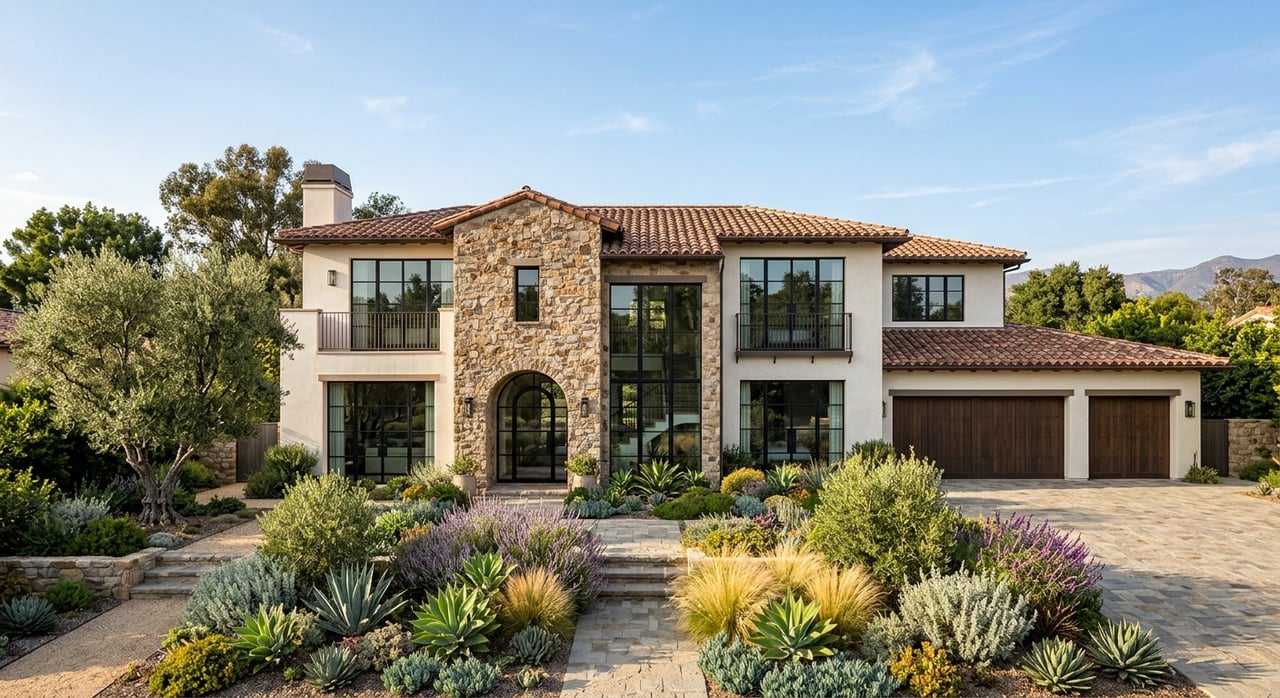
These revival styles appear in both homes and commercial buildings around Old Towne and beyond. Common markers include smooth stucco walls, red clay tile roofs, and arched entries or windows. Tile accents and small courtyards or loggias often soften the transitions from street to front door. Revival styles noted in the NPS nomination
Inside, you may find plaster walls, simple wood or tile floors, and arched openings between rooms. These homes pair nicely with drought-tolerant landscaping and simple, clean-lined updates that keep the original character intact.
Classical and Colonial Revival (civic anchors)
While bungalows dominate nearby streets, look to the Plaza area for more formal civic and bank buildings with Classical or Neoclassical touches. Columns, pediments, and balanced façades give these structures a more monumental feel that contrasts with the cozy scale of surrounding houses. The district’s nomination describes how these formal buildings anchor the downtown core. Historic fabric around the Plaza
Ranch and California Ranch (1940s to 1960s)
In postwar neighborhoods, the one-story ranch is the star. Look for long, horizontal profiles, low-pitched or hipped roofs, and garages that face the street. Large picture windows and sliding doors connect living areas to patios, often in L- or U-shaped plans that embrace the backyard. The ranch became an icon of postwar Southern California living, and Orange’s tracts showcase why. Context on the SoCal ranch house
Kitchens and living spaces tend to flow together in ranch homes, especially after updates. If you prefer single-level living with indoor-outdoor connections, this style delivers it.
Mid-century modern and contemporary variations (1940s to 1970s)
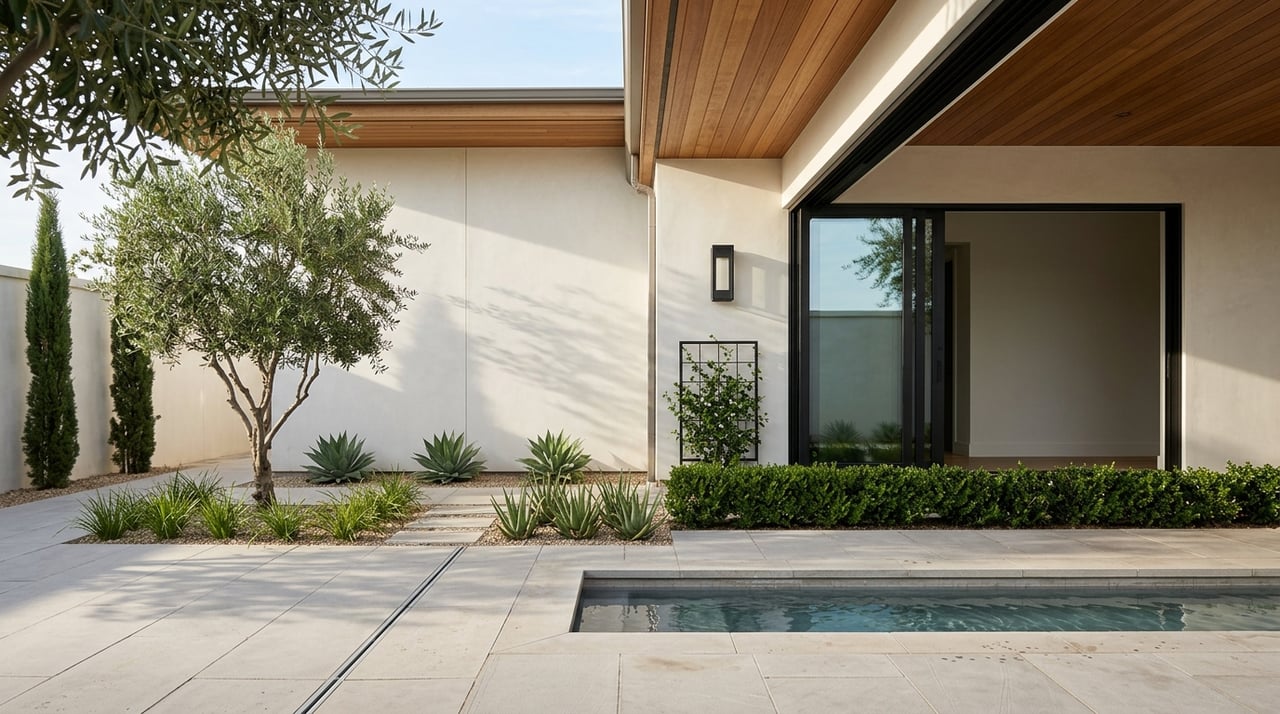
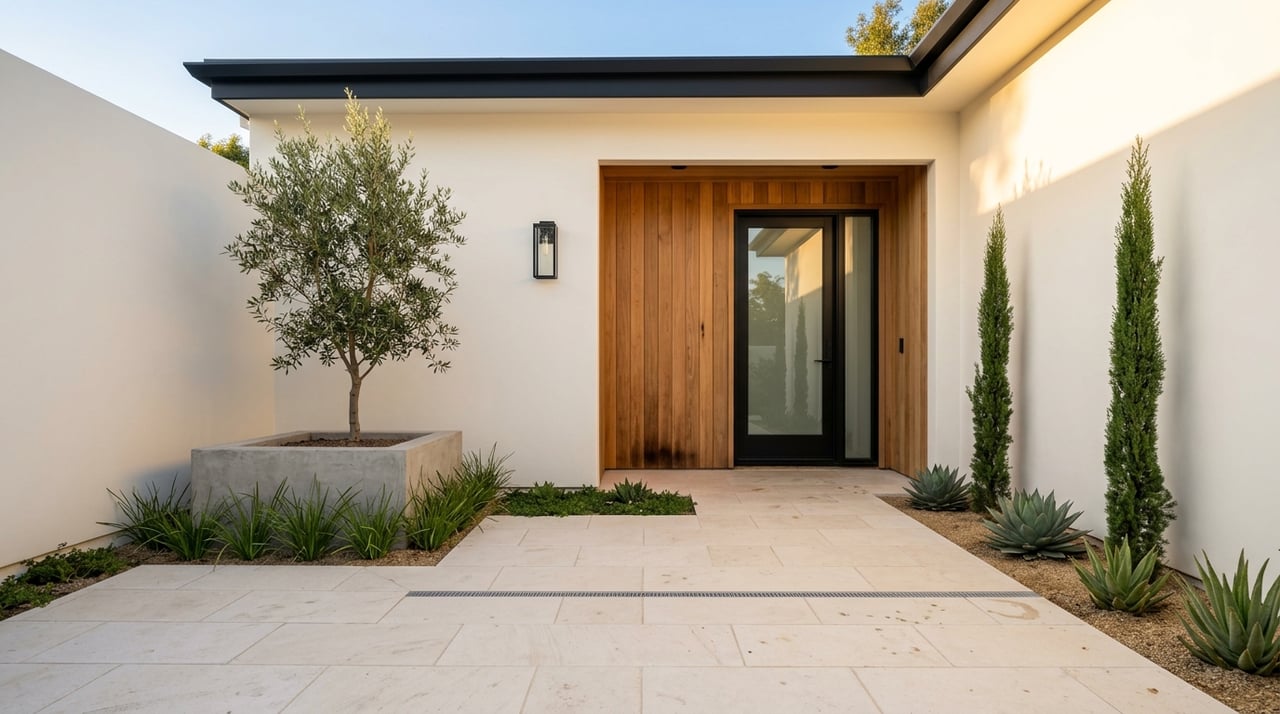
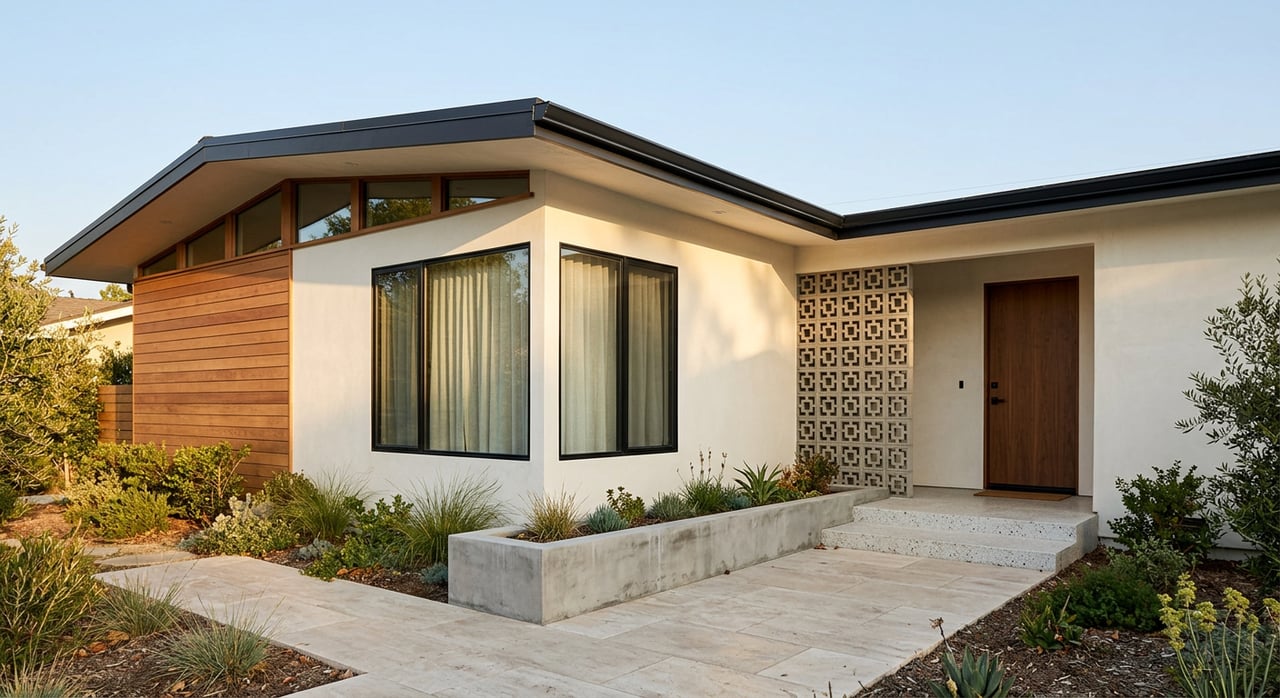
Mid-century designs in Orange range from tract homes with modern lines to custom or infill projects. Flat or shed roofs, clerestory or ribbon windows, and open plans are common. Outdoors, patios and large glass walls bring in light and make smaller footprints feel expansive. Regional perspective on mid-century design
Materials can vary from glass and steel to expressive wood and board-and-batten. Many mid-century homes photograph beautifully during daylight, when the glass and shadow lines show best.
Other revivals and vernacular types
Old Towne’s official inventory includes a long tail of less common but notable types. You may spot Classic Box, Dutch Colonial Revival, Prairie-influenced, Moderne, and even stone bungalows sprinkled among the more familiar styles. This mix is a big reason Old Towne’s streetscapes feel rich and layered. Style inventory in the NPS nomination
Where to see great examples
Old Towne and the Plaza
For a concentrated look at early Orange architecture, start at the Plaza and walk the adjacent residential blocks. You can easily see Craftsman, Victorian, and revival styles within a few blocks. The city’s overview and walking resources make it simple to plan a self-guided tour. Plan your Old Towne walk
Cypress Street Barrio and nearby blocks
The Cypress Street Barrio and surrounding Old Towne neighborhoods are identified by the city and local groups as areas with distinctive character. If you are scouting styles, use the city’s historic resources to confirm addresses and learn about the area’s heritage before you visit. City historic preservation resources
Orange Park Acres
East of the core, Orange Park Acres offers a semi-rural setting with larger lots, equestrian elements, and many ranch-style homes set back from the street. Expect wide setbacks, paddock fencing, and a relaxed streetscape. City project documents outline the area’s equestrian trail and streetscape management that help maintain that character. City documents on Orange Park Acres
Postwar ranch tracts
Across the city’s mid-century neighborhoods, you will find classic one-story ranch streets with driveways and garages front and center. These areas offer a clear contrast to Old Towne’s porch-forward feel and are great for wide-angle photos that show indoor-outdoor connections. SoCal ranch house context
Chapman University and the Civic Center
Chapman University’s campus and the 1963 Civic Center downtown provide a look at institutional and mid-century civic architecture that anchor the area. Including these stops in your walk adds variety and helps connect the residential fabric to Orange’s broader history. Overview of Orange’s development
Practical tips for buyers and sellers
What layouts and curb appeal tell you
- Craftsman and bungalows: Prominent porches, mature trees, and narrow to medium setbacks create a cozy streetscape. Inside, fireplaces and built-ins are key character features that many buyers value. NPS style overview
- Victorians: Expect formal rooms and higher ceilings that lend vertical drama. Decorative details and window shapes often set pricing apart within this category. NPS Victorian references
- Ranch and mid-century: One-level living, garage-forward frontage, and open living spaces that connect to patios. Daylight and yard orientation often matter as much as square footage. Ranch-era background
Inspections to budget for on older homes
Homes built before modern standards may need specialized checks in addition to a general inspection. The EPA recommends following its Renovation, Repair and Painting (RRP) rules for any work that could disturb lead paint and cautions about asbestos during demolition or renovation. Hire certified professionals if hazards are suspected. EPA guidance on lead-safe renovation
A thorough buyer plan often includes a general home inspection, a wood-destroying-organism or pest inspection, a sewer scope when applicable, and targeted testing for lead or asbestos in pre-1978 homes. The National Association of REALTORS offers a helpful field guide that outlines these common protections and suggests specialist follow-ups when needed. NAR field guide to home inspections
Working in Old Towne’s historic districts
If you plan exterior changes to a contributing property in Old Towne, expect extra planning and review. The City of Orange requires historic-resource assessments and uses the Secretary of the Interior’s Standards and the city’s Old Towne design standards to evaluate projects, including additions and ADUs. This affects submittal requirements and timelines, so build review time into your plan. City of Orange historic preservation page
Tax incentives and smart upgrades
Orange implements a Mills Act program that can reduce property taxes for qualified historic properties. Program rules and application status can change, so contact the city or county assessor to confirm current eligibility and timing. If you are considering a purchase in Old Towne, explore this option early in your budgeting. City Mills Act and tax incentives
When improving energy performance in historic homes, prioritize repair over replacement where feasible. The National Park Service recommends strategies like interior storm windows and targeted weatherization that preserve character while improving comfort. NPS guidance on weatherization and windows
Ready to find your fit?
Whether your heart is set on a porch-front Craftsman near the Plaza or a single-level ranch with a pool and patio, you have options across Orange. If you want tailored advice on value, renovation potential, or how historic rules might affect your plans, let’s talk. Connect with Carolyn Becker for local guidance and get your free home valuation.
FAQs
What are the main home styles in Orange?
- In Old Towne you will see Craftsman, Victorian, and Spanish or Mediterranean Revival, while outer neighborhoods feature postwar ranch and mid-century homes documented across city and NPS sources.
How strict are Old Towne exterior change rules?
- Projects that affect contributing properties typically require historic review against city standards and the Secretary of the Interior’s guidelines, which can add documentation and time. City historic preservation process
What inspections do older Orange homes usually need?
- In addition to a general inspection, plan for pest, sewer scope when needed, and hazard testing for lead or asbestos in pre-1978 homes using certified pros. EPA RRP guidance
What is the Mills Act and how can it help?
- The Mills Act is a local program that can provide property tax relief for qualifying historic homes; check current eligibility and application windows with the city. Mills Act basics
Where can I see many historic homes in one visit?
- Start at the Plaza in Old Towne, then walk nearby blocks using the city’s visitor materials to spot Craftsman, Victorian, and revival styles in a compact area. Plan an Old Towne walk